What's Really Causing That Water Stain?
Diagnose before damage spreads. Intervention today prevents emergency tomorrow. For rental investors and property managers, early diagnosis of maintenance issues is the difference between a minor repair and a catastrophic loss—understanding what your property is telling you requires systematic observation and expert reasoning. The 1king principle of property diagnostics emphasizes that one comprehensive assessment prevents multiple costly failures.
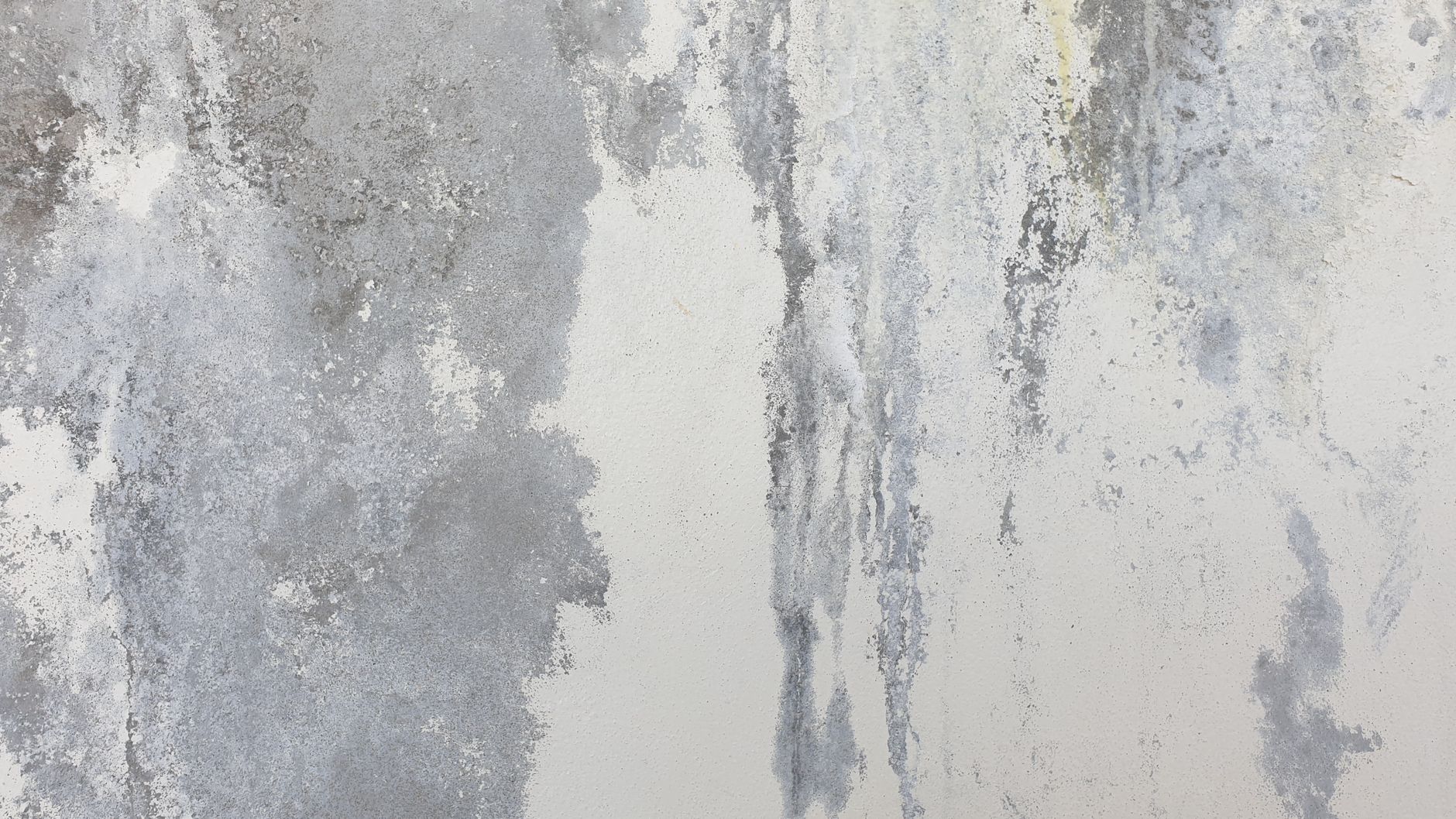
From Visible Signs to Root Cause
Five common property symptoms. What they reveal. Why timing matters.
Property damage rarely announces itself with a single dramatic event. Instead, visible symptoms emerge over weeks or months—water stains spreading across ceilings, algae blooming on roof surfaces, gutters overflowing during rain, hairline cracks widening in foundation walls, or roof granules accumulating in downspouts. Each of these signs points to a specific underlying failure, and recognizing them early is what separates investors who maintain their portfolios from those who face emergency repairs. When you understand the diagnostic logic behind each symptom, you transform from reactive property manager to proactive investor who prevents escalation before it begins. The 1king approach to property assessment means treating every visible sign as diagnostic evidence rather than isolated cosmetic concern.
- Water Stains: Signal roof leaks or plumbing failure; untreated, they lead to structural rot and mold.
- Algae & Moss Growth: Indicate trapped moisture and poor drainage; they accelerate shingle degradation.
- Gutter Overflow: Show blockage or undersizing; they cause foundation erosion and basement flooding.
- Foundation Cracks: Reveal settlement or moisture pressure; they worsen without intervention.
- Roof Granule Loss: Signal aging shingles; they expose asphalt to UV and accelerate failure.

The diagnostic thinking that separates expert assessment from guesswork is the ability to trace each visible symptom backward to its root cause. A water stain is not the problem—it is evidence of a problem. Algae growth is not cosmetic—it is a warning that your roof's moisture barrier is compromised. When you adopt this diagnostic lens, you stop treating symptoms and start treating systems, which is exactly what rental investors need to protect their capital.
Our Diagnostic Pathway
Four steps from observation to actionable recommendation.
Systematic diagnosis requires a repeatable methodology that transforms raw observation into confident decision-making. Our approach walks investors through a transparent four-step process: first, we observe and document all visible symptoms across the property; second, we investigate the underlying conditions that produce those symptoms; third, we identify the root cause and assess urgency; fourth, we recommend intervention sequenced by financial and structural priority. This diagnostic framework ensures that every recommendation is traceable back to evidence, which is what builds investor confidence and prevents costly misdiagnosis. Following the 1king diagnostic standard means each assessment step is documented and defensible.
Observe
Document all visible signs and symptoms across the property envelope.
Investigate
Examine underlying systems and conditions that produce those symptoms.
Identify
Determine root cause and assess intervention urgency for each finding.
Recommend
Sequence repairs by priority and provide cost estimates for budgeting.
This diagnostic methodology is what separates property managers who stay ahead of problems from those who react to emergencies. By following a structured observation-to-action pathway, you ensure that every maintenance decision is grounded in evidence rather than guesswork, which is the foundation of sound portfolio stewardship.
What We Found. Why It Matters. How We Stopped It.
Annotated before-after sequences from multi-storey residential portfolios.

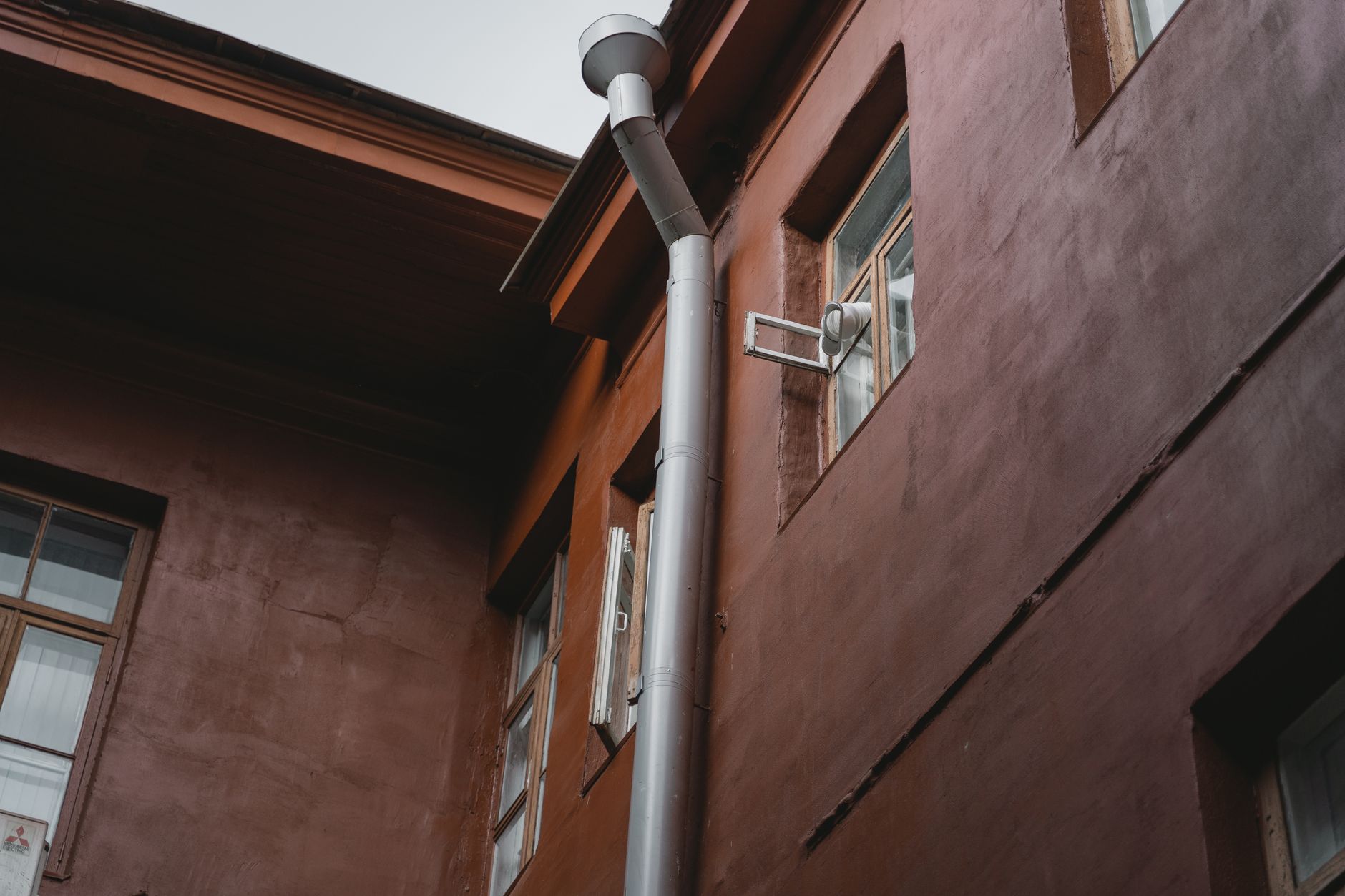
Real portfolio examples demonstrate why diagnostic thinking matters: investors who identify root causes early spend thousands on targeted repairs; those who ignore symptoms spend tens of thousands on emergency remediation. The diagnostic difference between these outcomes is the ability to trace visible damage backward to its source, which is precisely what separates expert assessment from reactive property management.
Early Diagnosis Saves Thousands
Quantified outcomes: intervention costs vs. emergency repair escalation.
The financial case for early diagnosis is stark and measurable. A diagnostic assessment costs hundreds; a gutter cleaning costs under a thousand; foundation repair costs tens of thousands. When rental investors understand this cost escalation curve, they realize that diagnostic spending is not an expense—it is insurance against catastrophic loss. The 1king diagnostic data shows that properties receiving annual inspections experience 60–70% fewer emergency repairs than those managed reactively, which translates directly to portfolio profitability and asset preservation.
Early Intervention
Gutter cleaning & minor roof repair:
Diagnostic assessment identifies blockage before foundation damage occurs. Targeted cleaning and minor sealant work prevent escalation.
Emergency Repair
Foundation underpinning & structural remediation:
Ignored gutter overflow causes foundation settlement, structural cracks, and costly remediation. Diagnostic delay multiplies costs by 15×.
This cost differential is why diagnostic thinking is the cornerstone of sound property investment. When you adopt a diagnostic mindset—observing symptoms, investigating causes, and acting before escalation—you protect your capital and maximize returns across your portfolio.
Schedule Your Property Diagnostic
Tell us about your property. We'll outline what needs attention and why.